Rural property search — what the listing portals won't filter for
A private buyer-side property pipeline for one buyer with specific criteria. Reconciles on- and off-market sources against hard gates and a weighted rubric, delivered as a ranked weekly shortlist.
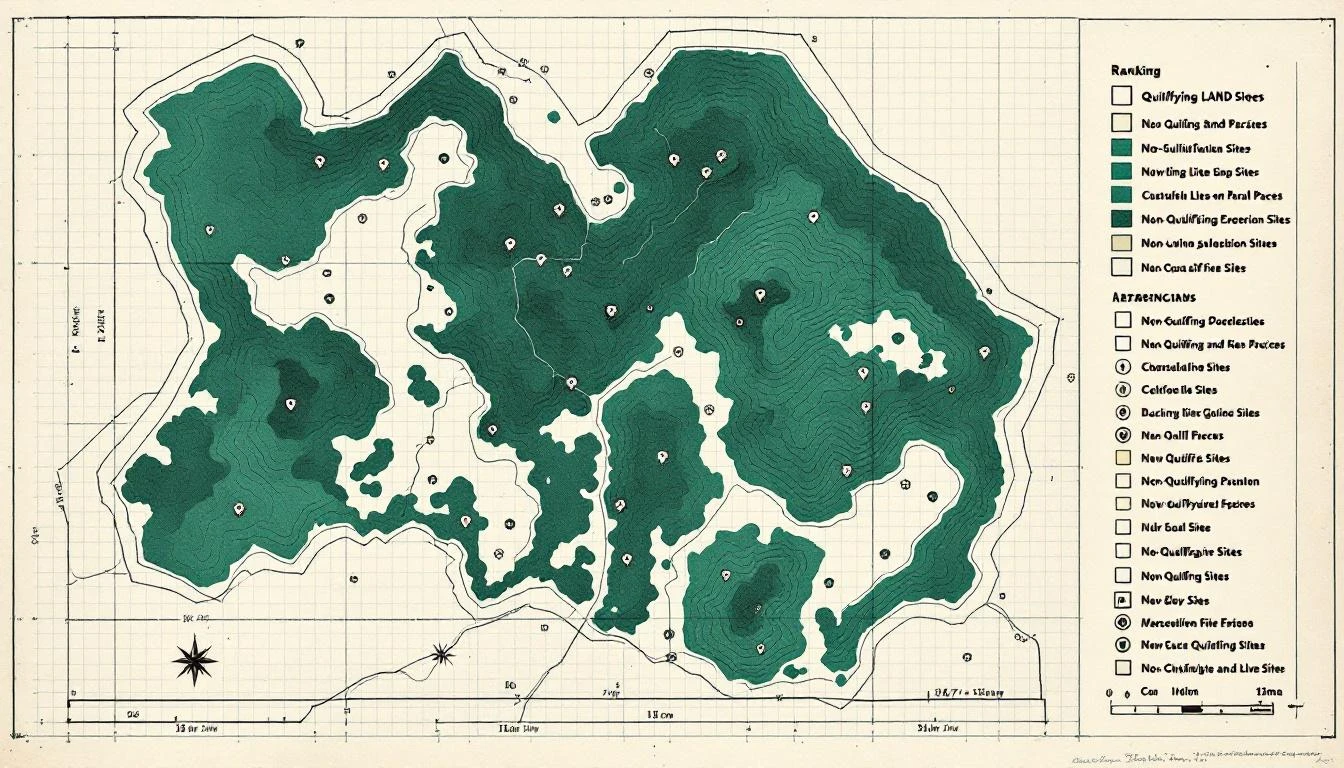
Try buying a rural property with more than two or three real constraints. Domain and realestate.com.au will let you filter by state, price, and bedrooms. They won't let you filter by "four-hour drive from Sydney, permanent water, existing liveable dwelling, thirty to two hundred acres, rural zoning, ideally next to a national park." And they can't show you the rural properties that sell without ever appearing on a public portal at all — widely estimated at 15–25% of transactions.
So the buyer does what every buyer does. Thousands of listings, every weekend, manually eliminating the ninety-nine per cent that don't fit — and still missing the one that briefly appeared before being snapped up.
This is the fix, built explicitly for one buyer. A private pipeline that reconciles every disparate source — on-market and off — against their specific criteria, and quietly delivers the handful of properties that are actually worth looking at.
How it feels to use
Open the shortlist on Monday morning. Ten properties. Ranked. Each one has already cleared the hard gates — geography, budget, size, zoning, drive time. Each one has a score out of a hundred against what the buyer actually cares about — water, terrain, seclusion, liveable dwelling, proximity to protected land. The scores are visible, which means they're arguable. The buyer can push back on a weight and see the list reshuffle.
That's the whole product. The work that makes it possible — reconciling ten portals, email alerts, and off-market channels into a single clean stream; deduplicating; gating; scoring; refreshing nightly — happens somewhere the buyer never has to look.
What's inside
Three loops, running nightly.
- Sources. Ten streams — the public portals, regional listing feeds, agent-direct alerts, and three off-market channels that don't publish publicly — reconciled into one queue. Deduped on address, so the same property never shows up twice under different titles.
- Gates. Hard criteria that disqualify before scoring begins: geography (drive-time radius), size, zoning, existing dwelling, permanent water. Roughly 95% of listings fail at this stage.
- Rubric. What clears the gates scores out of 100 on what the buyer actually cares about — terrain, seclusion, water quality, dwelling condition, proximity to protected land. Weights are visible and tunable; push one up and watch the list reshuffle.
Runs on a small VPS. Cheap to operate, trivial to extend.
Why it's interesting
This is the same pattern as Storage Intelligence, applied in a different market. Public data nobody else bothers to aggregate, plus private channels nobody else has access to, plus a deterministic rubric that reflects what the buyer actually values — delivered quietly on a weekly cadence.
It isn't a consumer product or a SaaS. It's private infrastructure for one family. Change the gates, change the weights, point it at commercial property or M&A targets — the same shape does the same job.
Status
Pipeline is live and hardened. Shortlist is running. The last mile is automated delivery and a feedback loop so the buyer's reactions to individual listings feed back into the weights over time.
If you're buying against more than three constraints in any market — rural, commercial, M&A targets, anything where the real listings live across ten sources — this shape fits. Let's talk.
Karl Howard · Reforged · 14 April 2026